Beyond work · Cities · Japan
Tokyo
Aniket Sinha · October 12, 2026 · 5 min read
Tokyo is one of the most distinctive cultures to experience if you enjoy digging into human behaviour, history and ethics. There is a quiet, almost zen quality to how its people have become what they are, collectively.
It is mostly not a city of first impressions. It builds on you, and while you've heard plenty about Japanese culture, its beauty reveals itself slowly. The soft landings begin early: from the people you meet at the airport to the person who hands you your Suica card.
Where we stayed: Takadanobaba
We stayed in Takadanobaba, a quiet neighbourhood in the north of Shinjuku City, lit up mostly by students and professionals. There are plenty of eateries around the station, and several metro and JR lines that reach most of the city directly or with a single change. The most picturesque route is the Tokyo Sakura Tram.
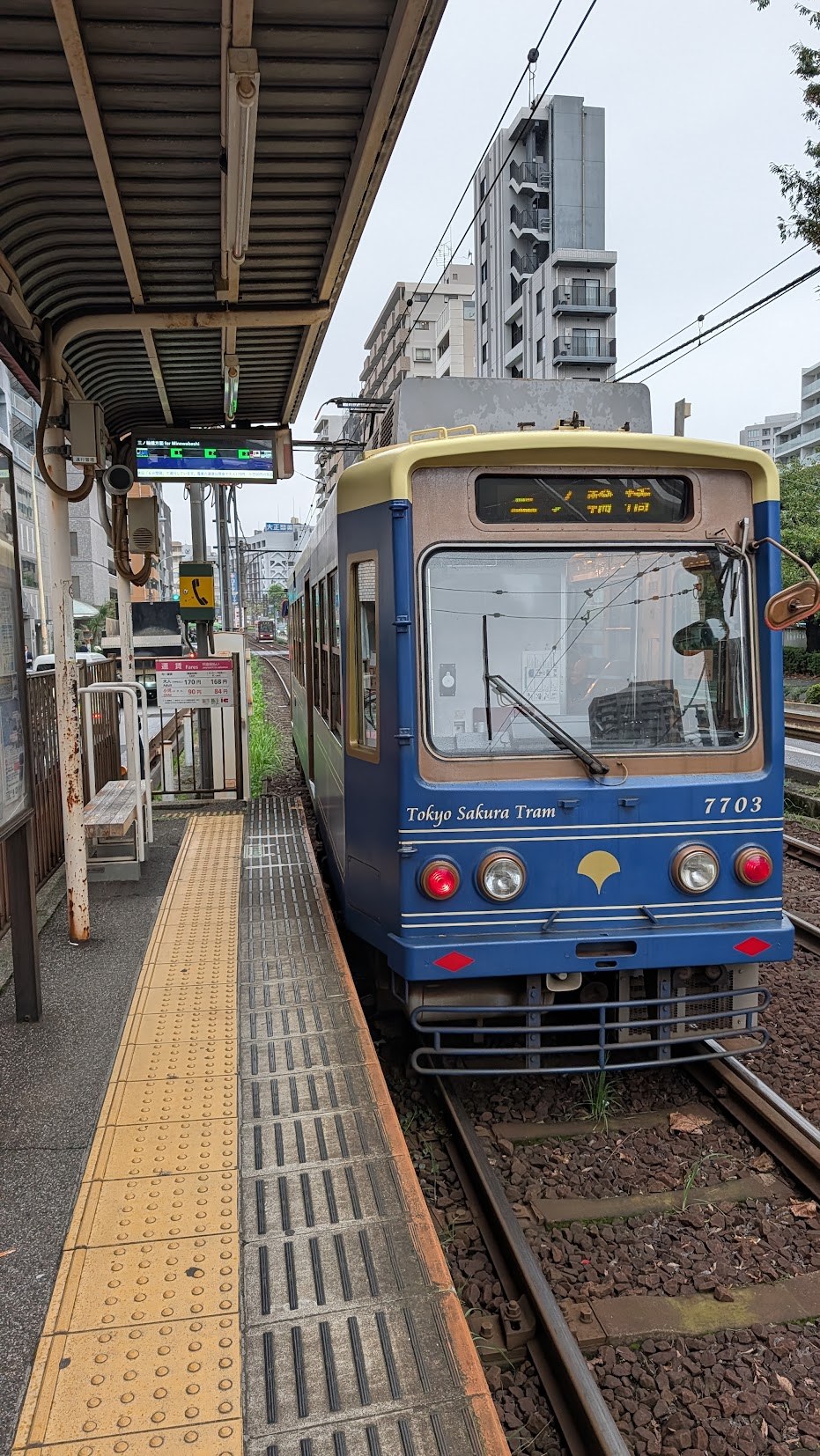
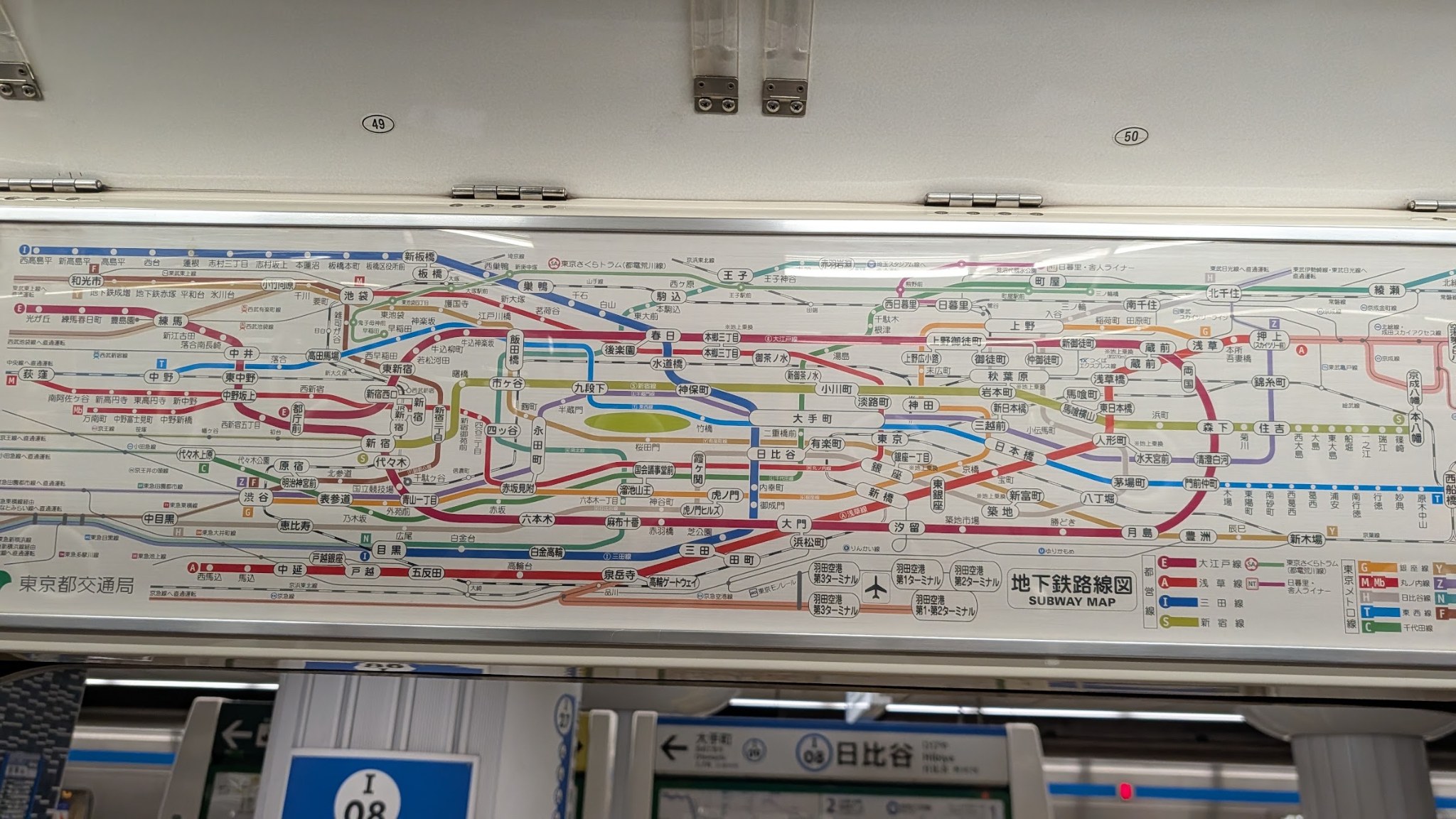
And if you’d like to zip through the city from here, you can do it using the Tozai line which is completely underground and will take you to Tokyo station (Ōtemachi). It’s efficient and you can experience the station master pushing people in the train during peak hours on this line. I was amazed at how well people still manage to keep this experience even at peak crowds.
Shibuya
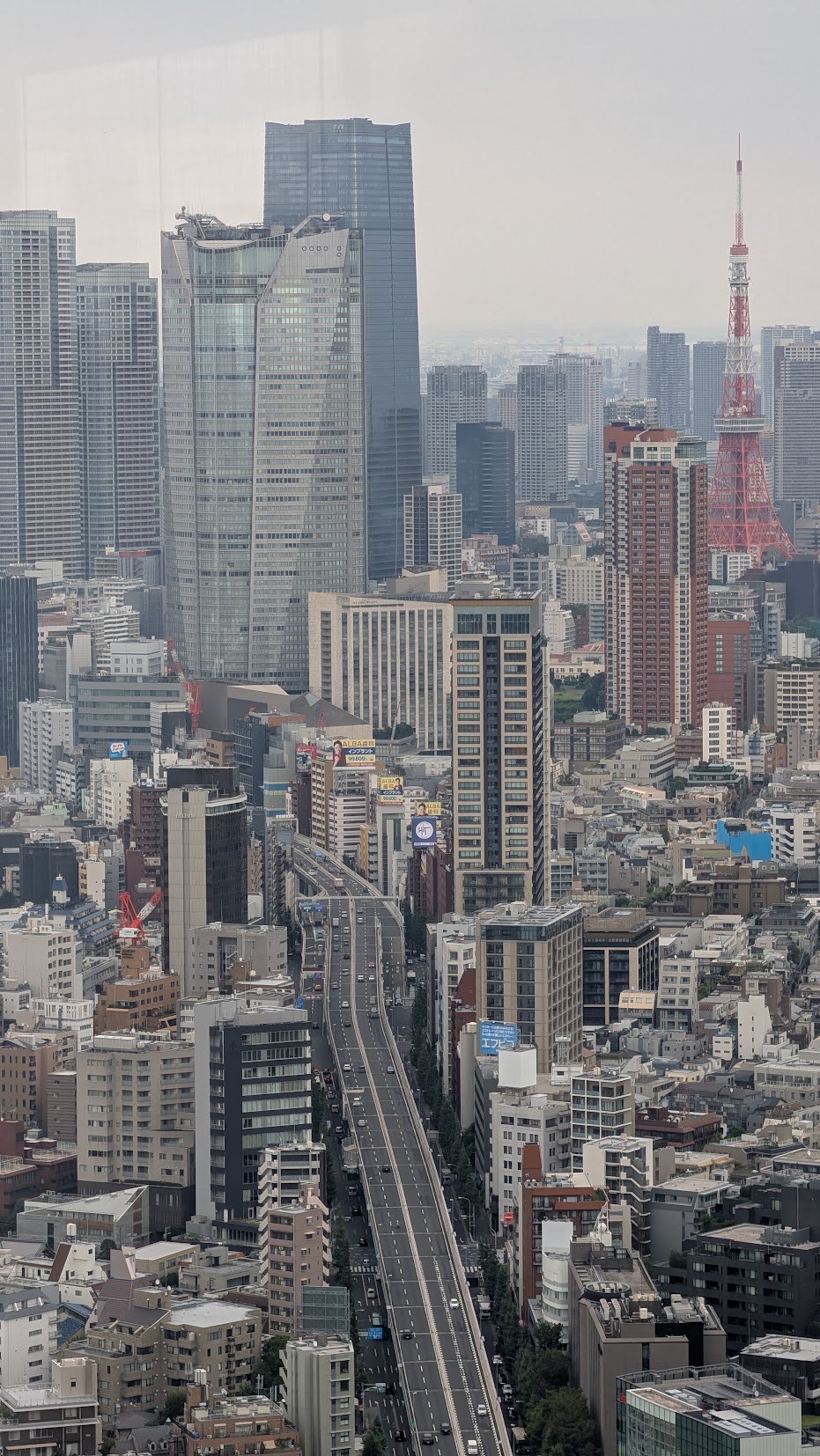
Our first look at the scale of Tokyo was from Shibuya Sky, and it's impressive because it is open-air, which is rare for an observatory. What stood out was how well spaced it feels. Everyone gets time to take pictures and take in the city, and people are considerate enough not to crowd the space, something I've often felt was missing at places like Burj Khalifa or Menara KL.
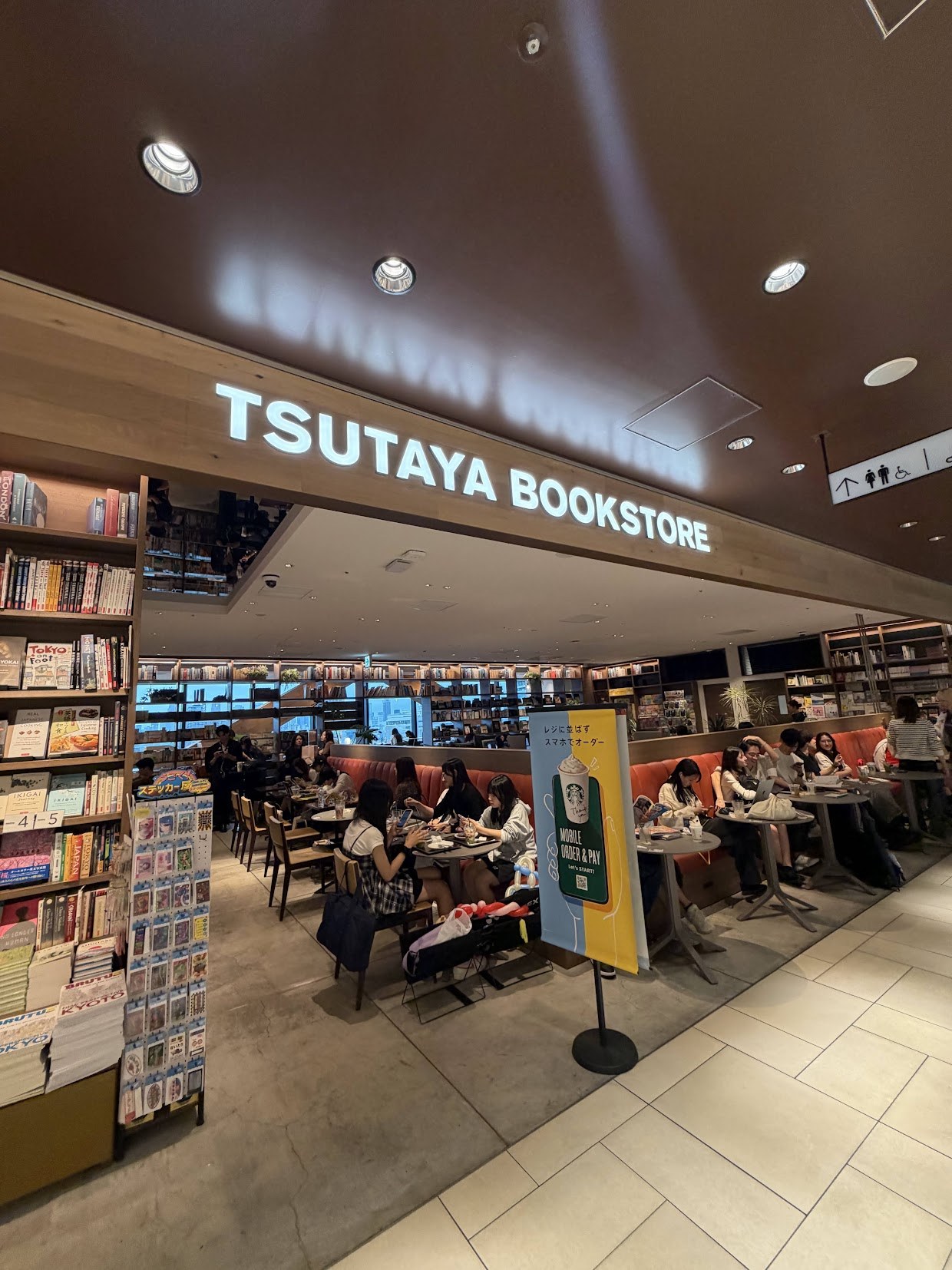
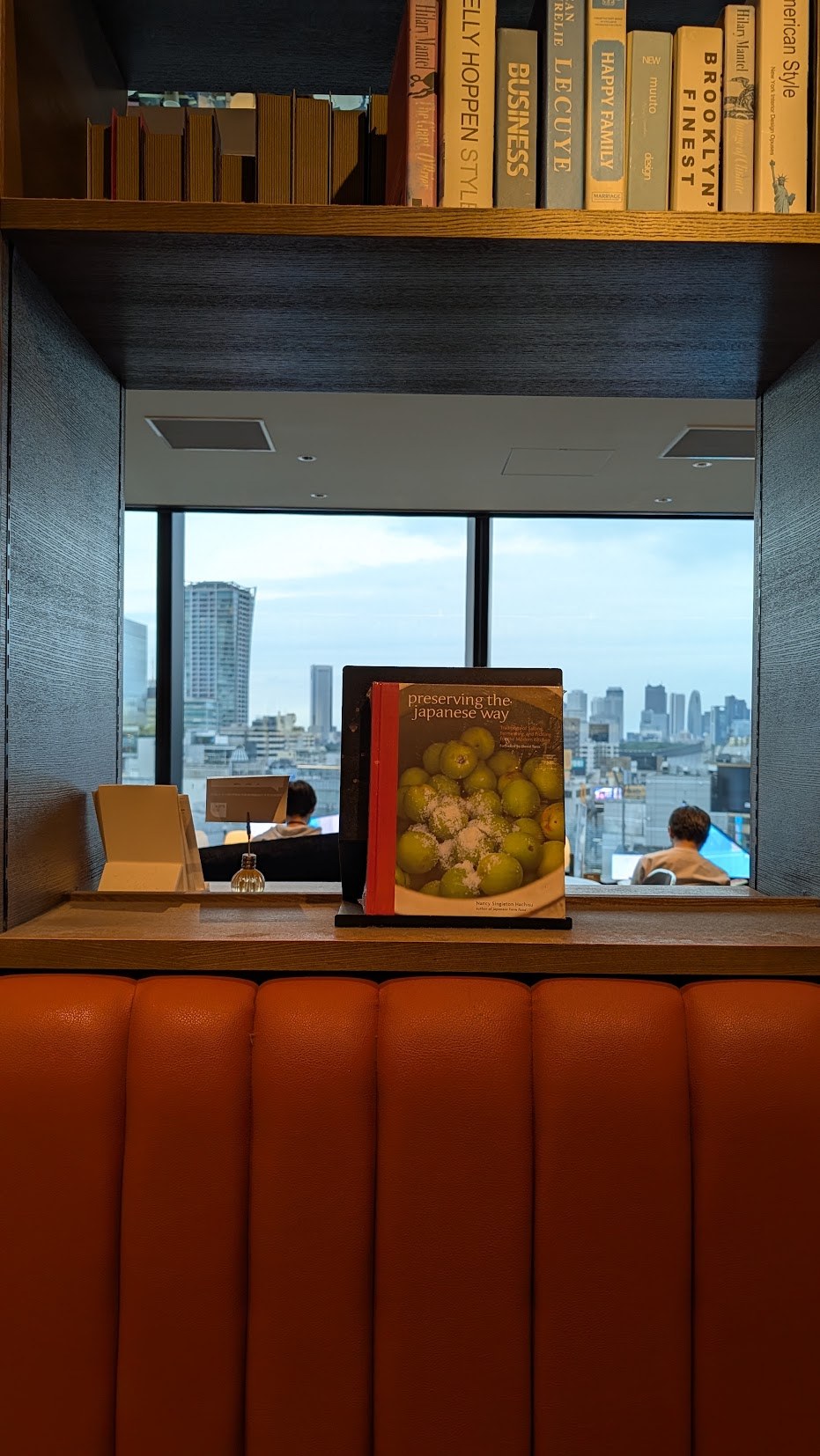
Shibuya Sky sits in the Shibuya Scramble Square building, which also hosts a bunch of new-age restaurants. Before heading up, visit TSUTAYA BOOKSTORE in the same building. With its library and city view in one frame, it gives you the vibe of this city like little else. AW Kitchen Figlia is a great spot for a good plate of pasta.
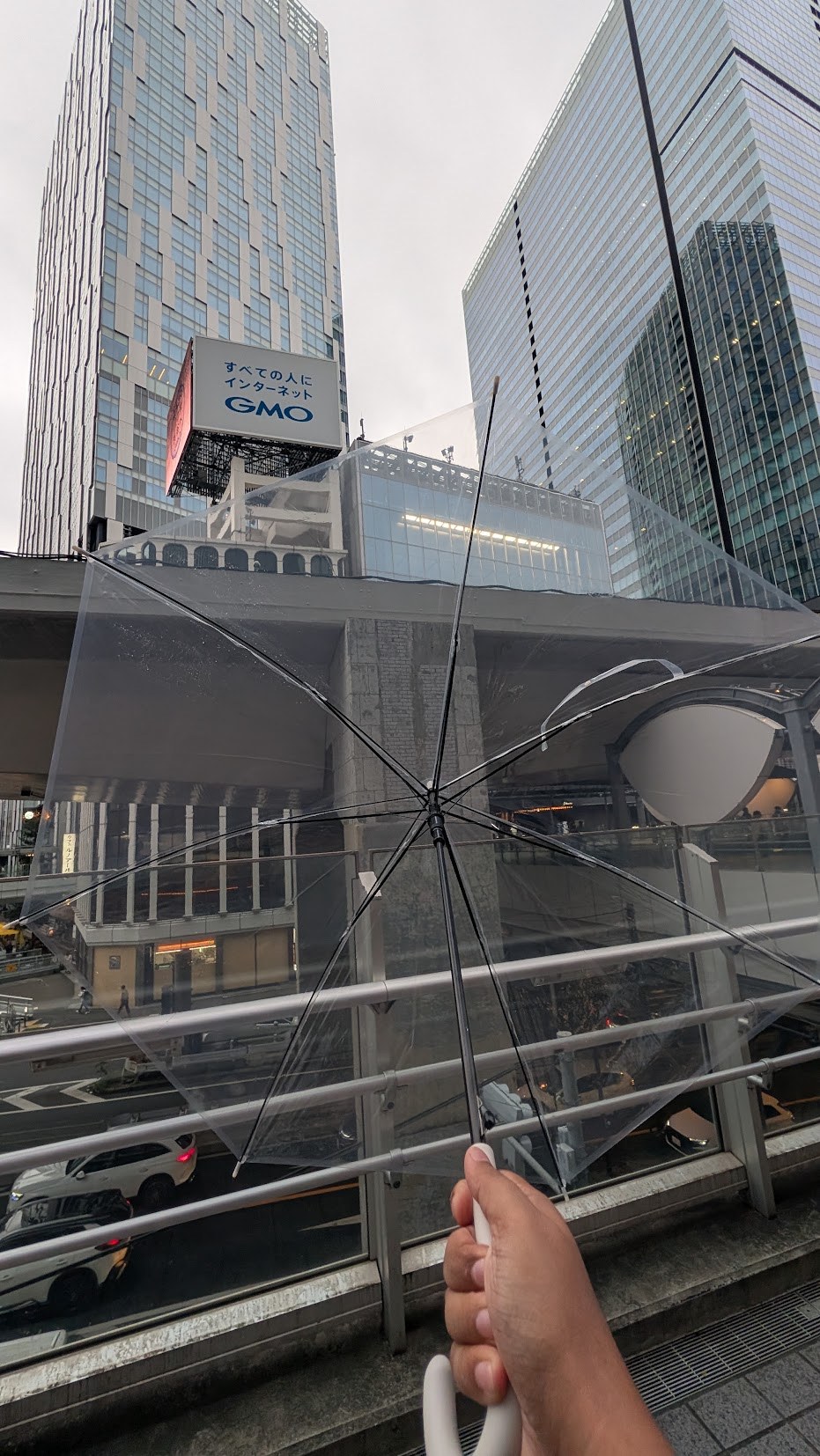
We visited in late September and early October, when the rains were still around, and watching Tokyo in this weather is a cultural masterclass in itself. Almost 90% of people carry the same transparent umbrellas, which you'll find in every department store for around 600 yen. It adds to how thoughtfully every experience is designed.
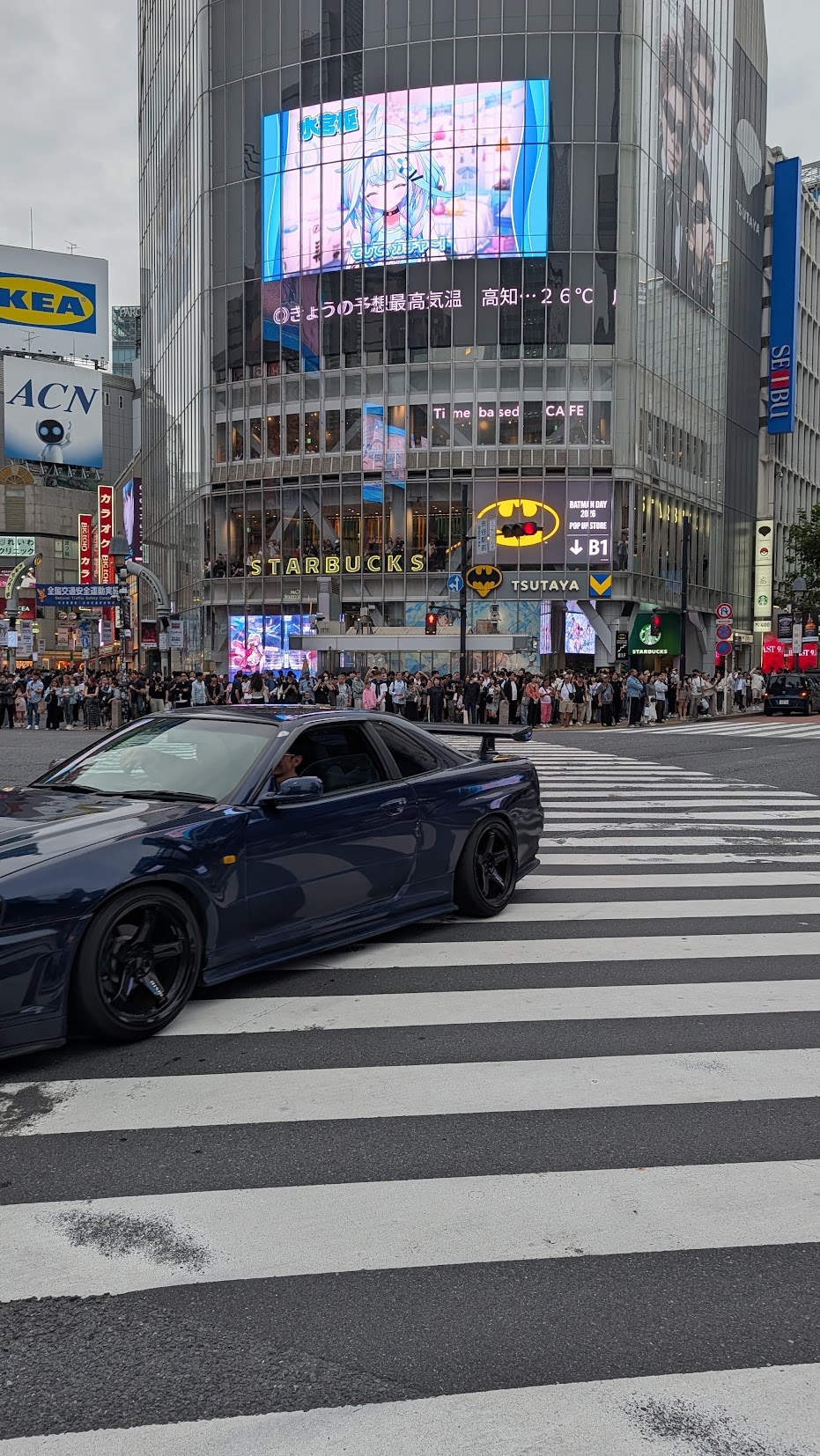
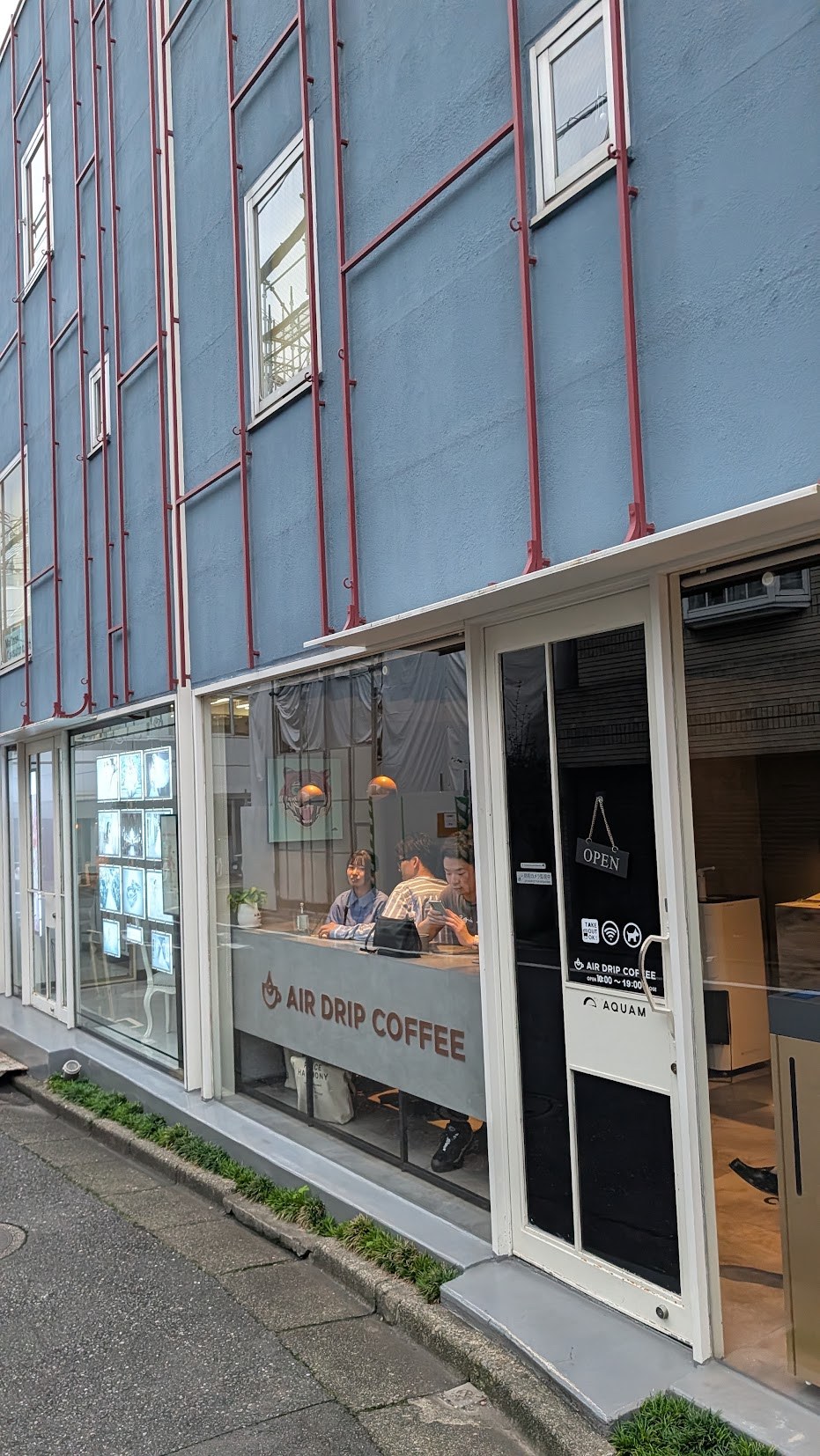
While you're in Shibuya, cross the famous Shibuya Crossing at least twice. The second time is when you understand what's actually happening. It is over-romanticised and can feel underwhelming if you come from a country like India. Afterwards, put Air Drop Coffee Shibuya on your map and walk towards it to see the quieter lanes of the neighbourhood.
Understanding the city through its history
Halfway through the trip, I became curious about how Tokyo blends culture, development and scale while keeping discipline and civic sense intact. I read up on the Edo period, the Meiji Restoration and how modern Japan was rebuilt after WWII. I'd highly recommend skimming the highlights, they explain a lot about how Tokyo's culture was shaped.
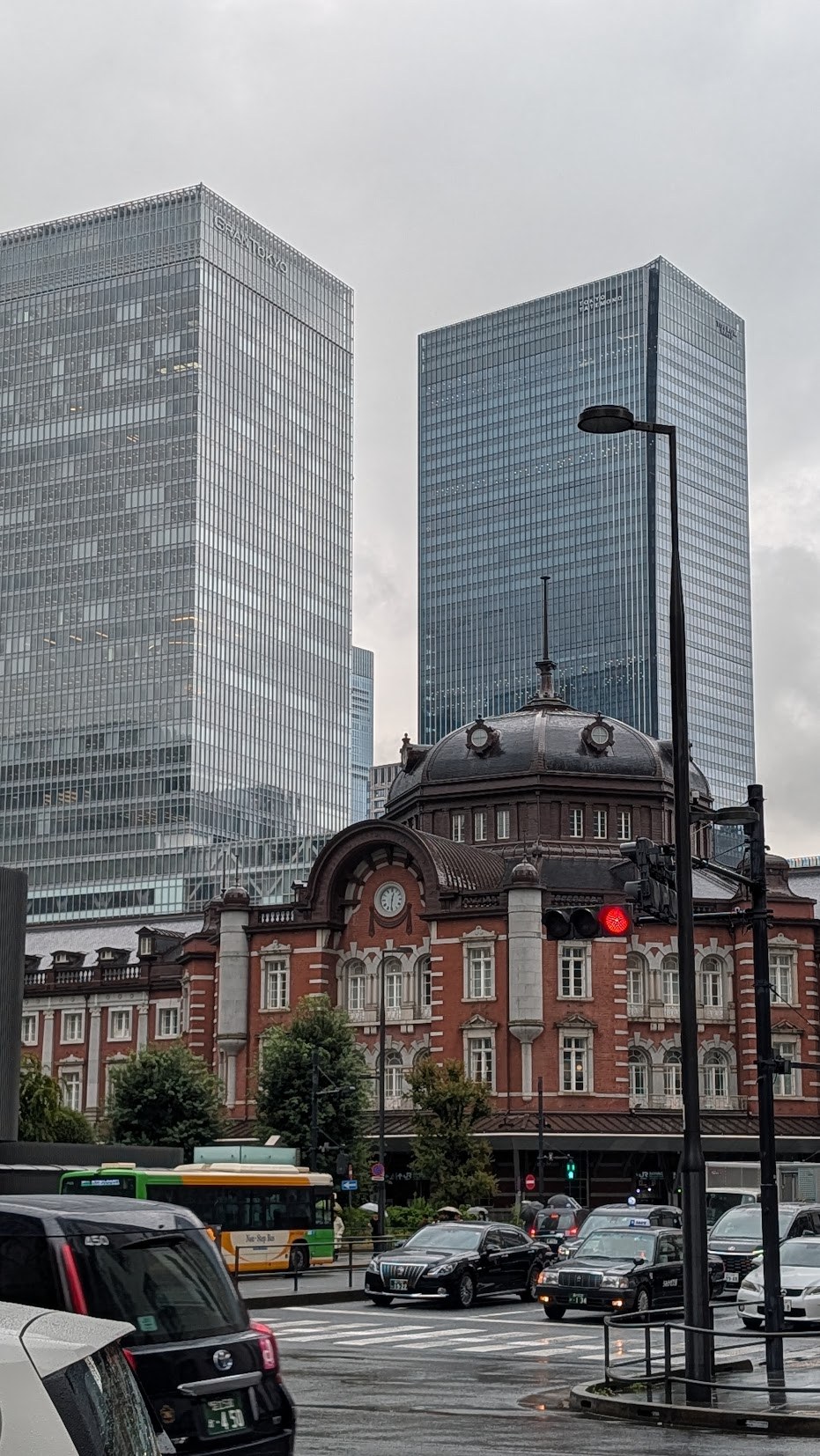
Japan was never colonised by a Western power, yet it looks Western in everything from its planning to its technology. During the Meiji era, the country modernised rapidly and deliberately adopted Western architectural styles to project its power as a rising global empire. That agility in absorbing and merging cultures is something many Eastern nations can probably learn from.
Tokyo Station's architecture, which can remind you of London or South Mumbai, is a prime example of how Japan sent scholars around the globe and embraced what they brought back.
Ginza
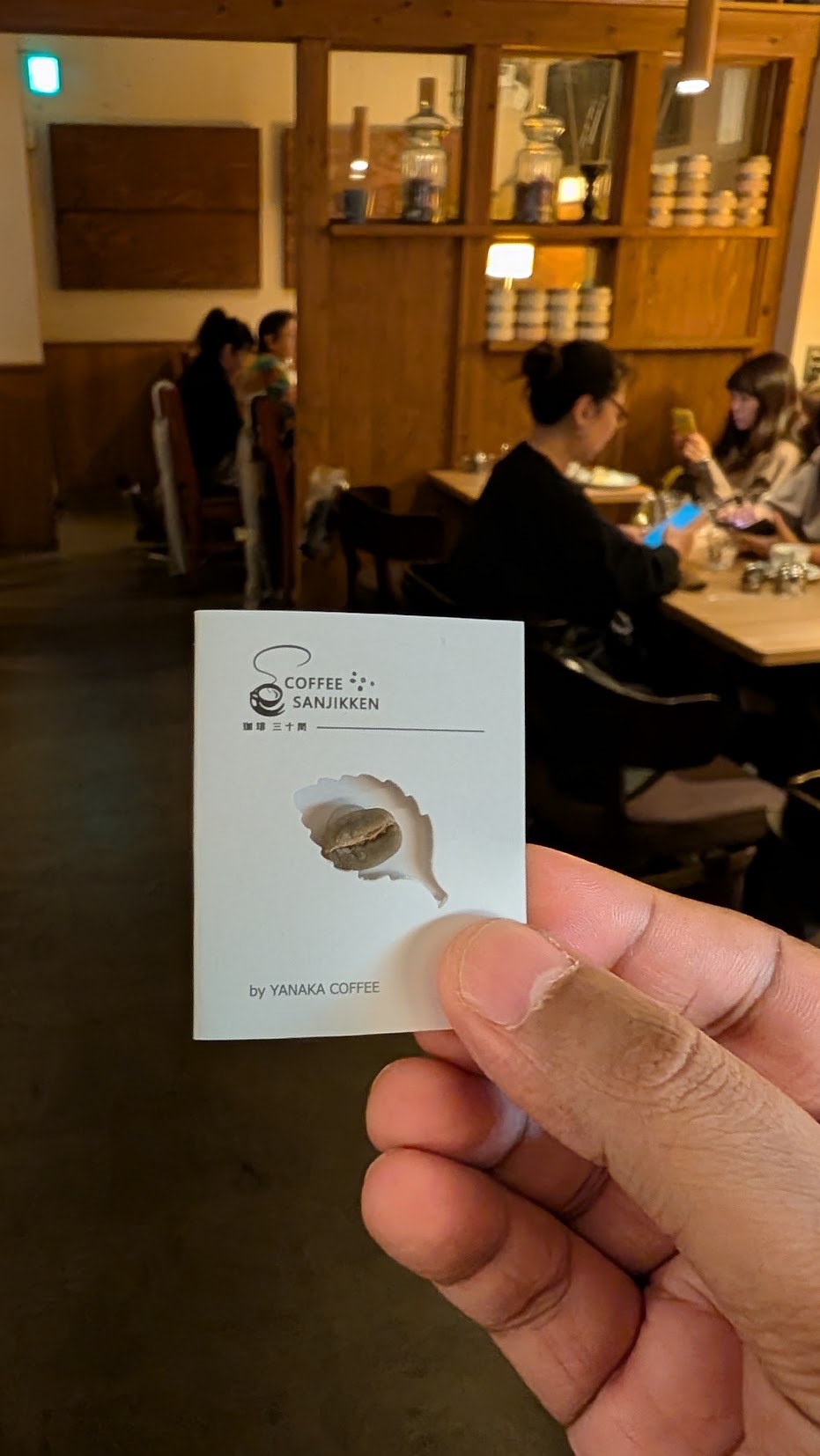
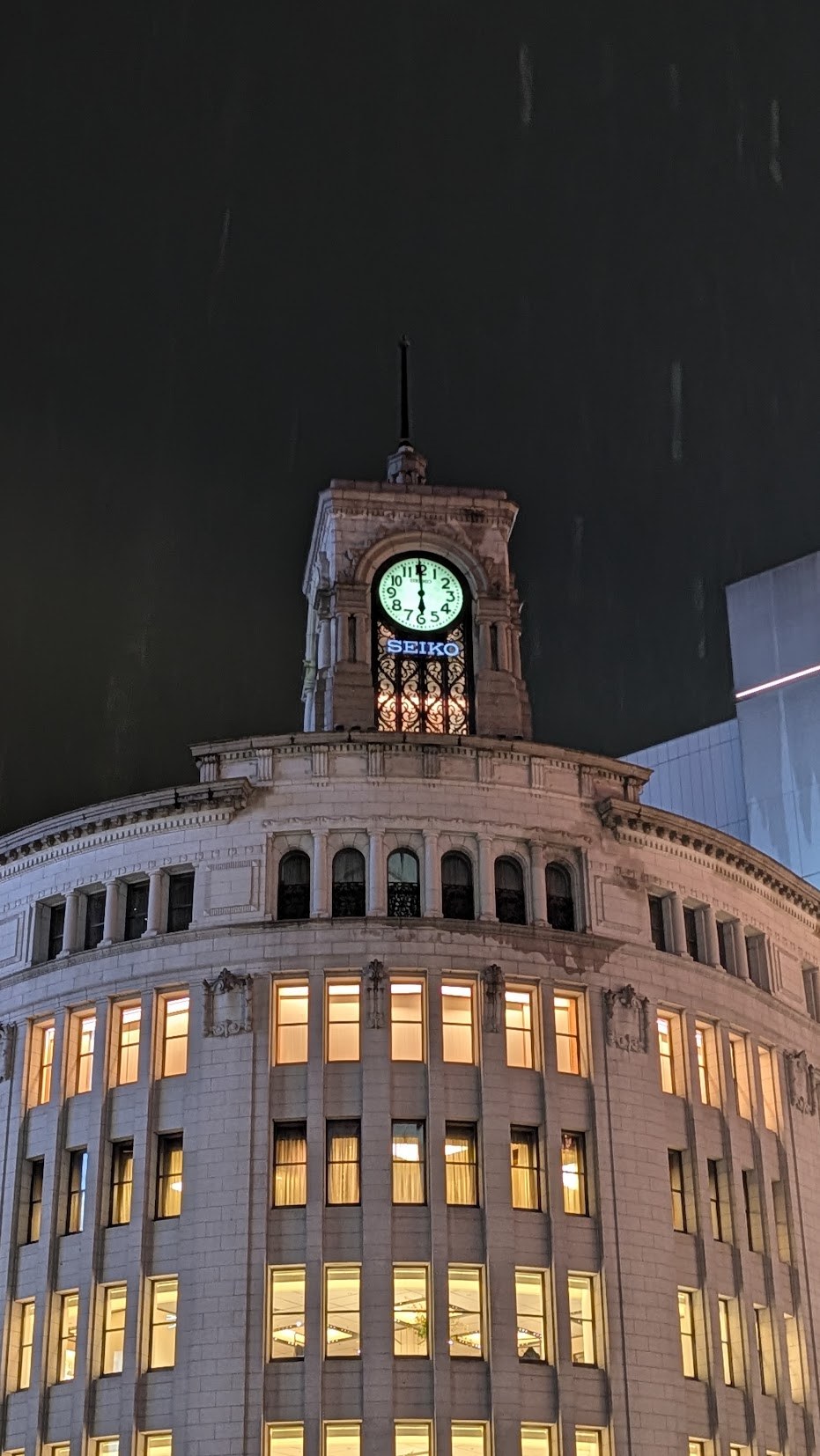
Ginza district is a great example of Japan’s capitalist economy. You'll see all your luxury brands here and they are mixed with shops like Itoya and Uniqlo which blend in Japanese businesses and are the crown of the district. My favorite recommendation for a break here is this coffee room called “ Sanjikken Coffee House Ginza”.
The 4th day cravings
The fourth day of a trip usually hits me hard, and I crave a homely, comfortable meal. I highly recommend Biryani Tokyo, tucked away in Takadanobaba within walking distance of our Airbnb. We met one of the founders, who is from Bangalore and has lived in Tokyo for 25 years. They make some of the best biryani and kebabs you'll taste. Good Indian food is hard to find in Japan, where Nepalese restaurants are far more common.
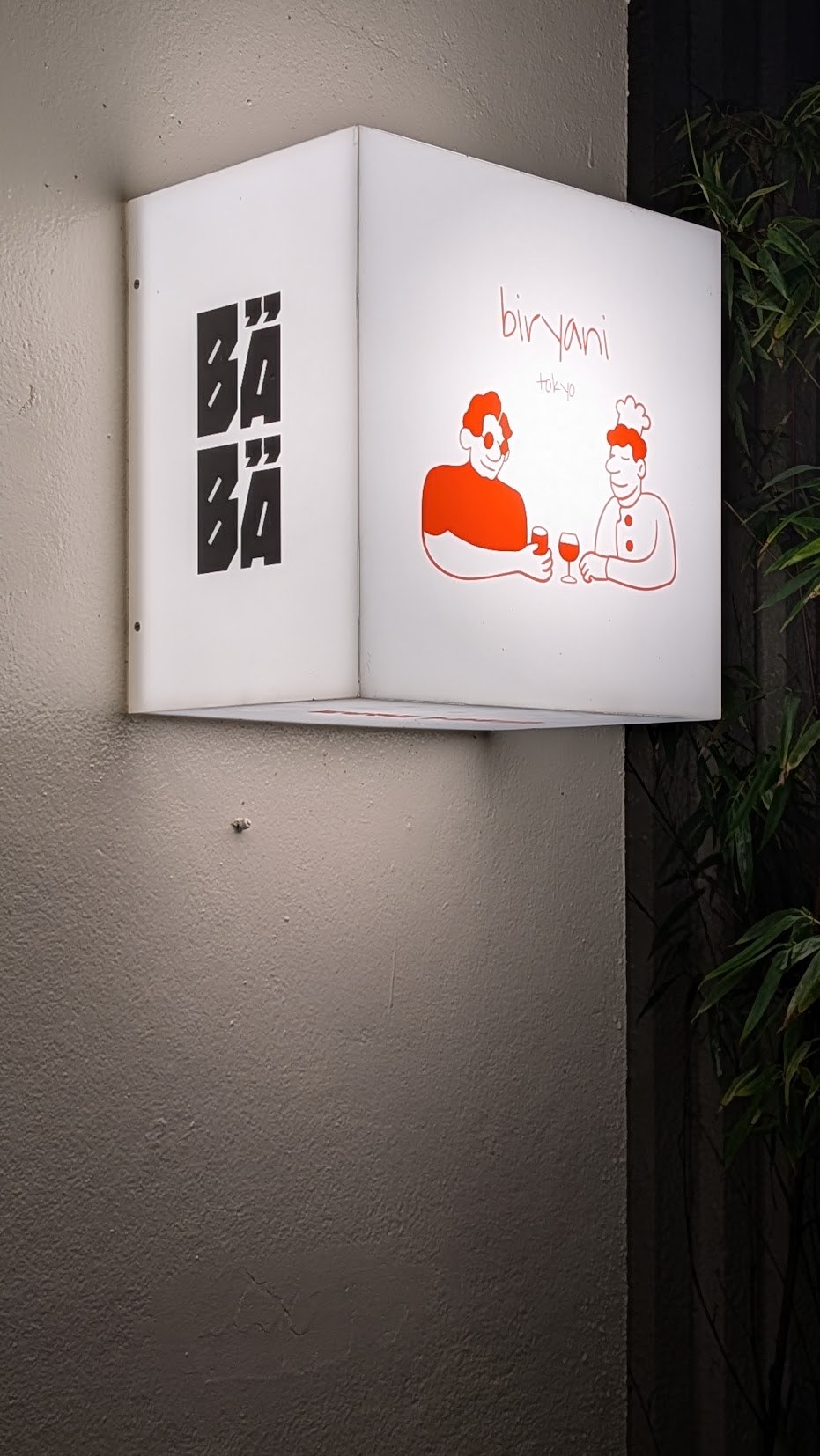
It’s challenging to find good Indian food in Japan while there are many Nepalese ones.
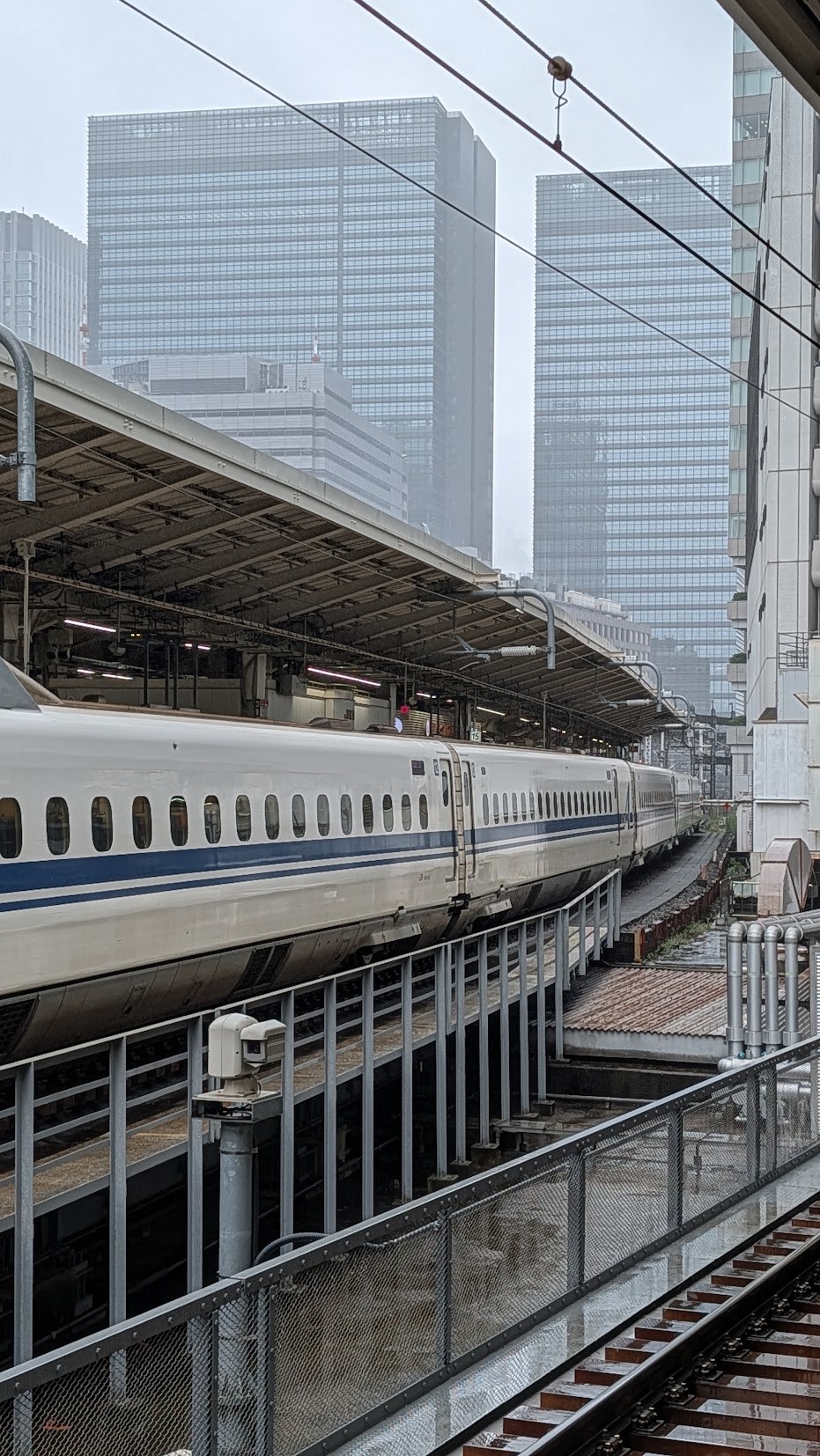
Around day 3 or 4 is a good time to hop on a Shinkansen to Osaka or Kyoto. We picked Kyoto, and you immediately feel how different the two cities are. Tokyo's discipline and quiet are replaced by hustle and sound of every kind.
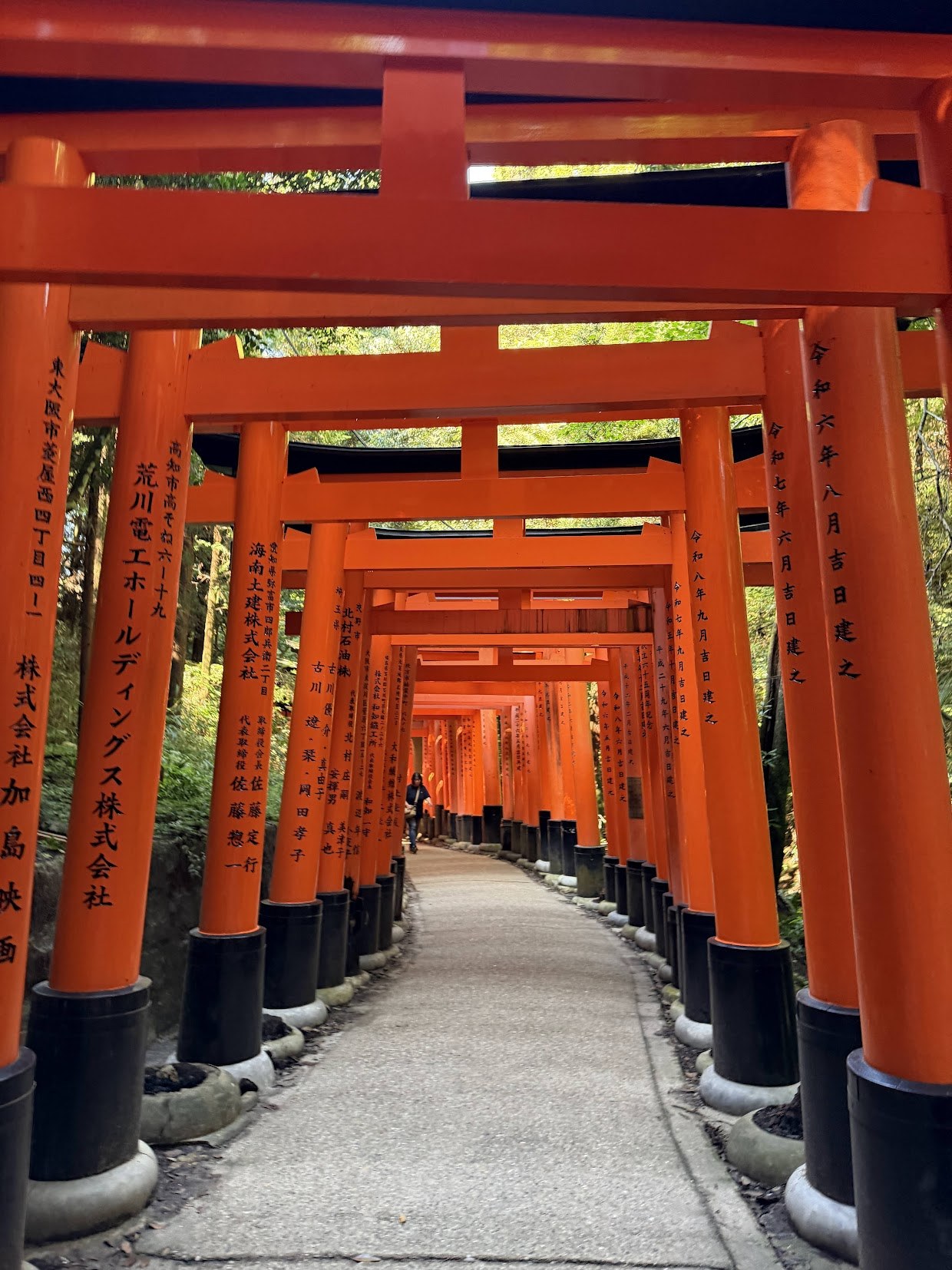
Toranomon Hills and the Success Stairs
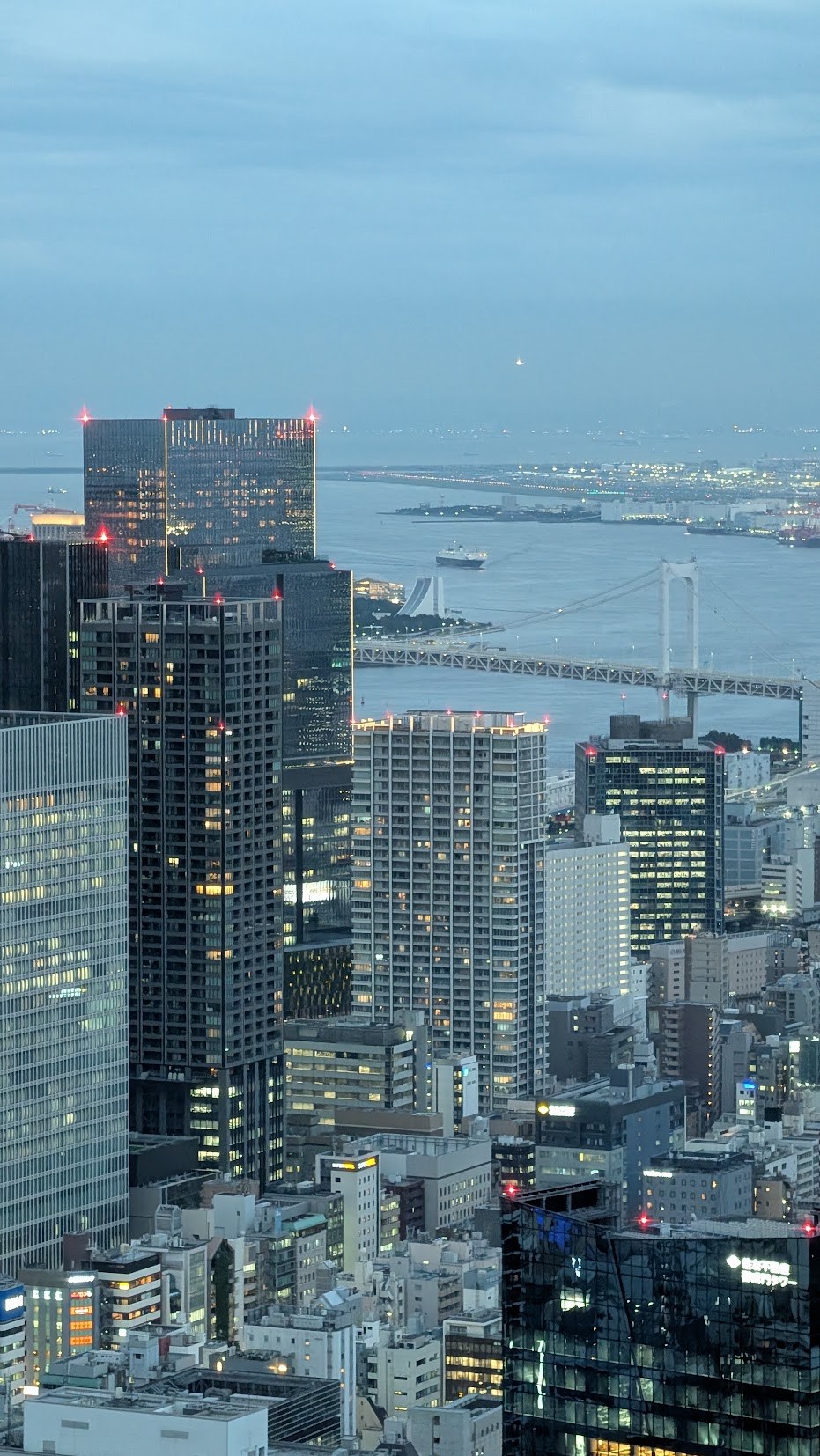
Coming back to Tokyo, you can go slightly beyond Ginza to Toranomon hills which have the look of a modern city with many skyscrapers coming up. We got ourselves a table at the rooftop of Andaaz to have the best view of the harbour and Tokyo tower during sunset.
On the way you can climb the success stairs like a Samurai legend once did.
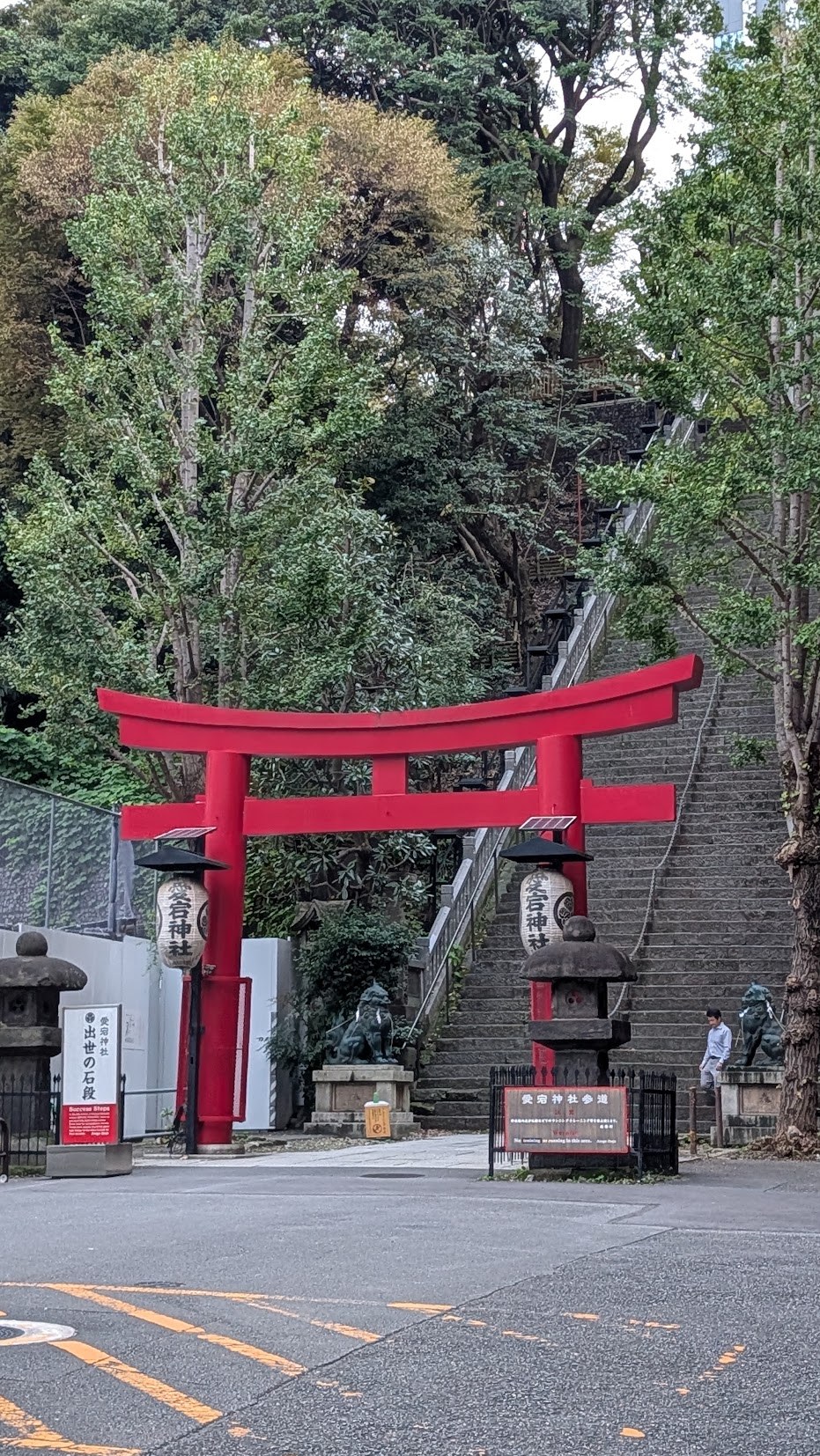
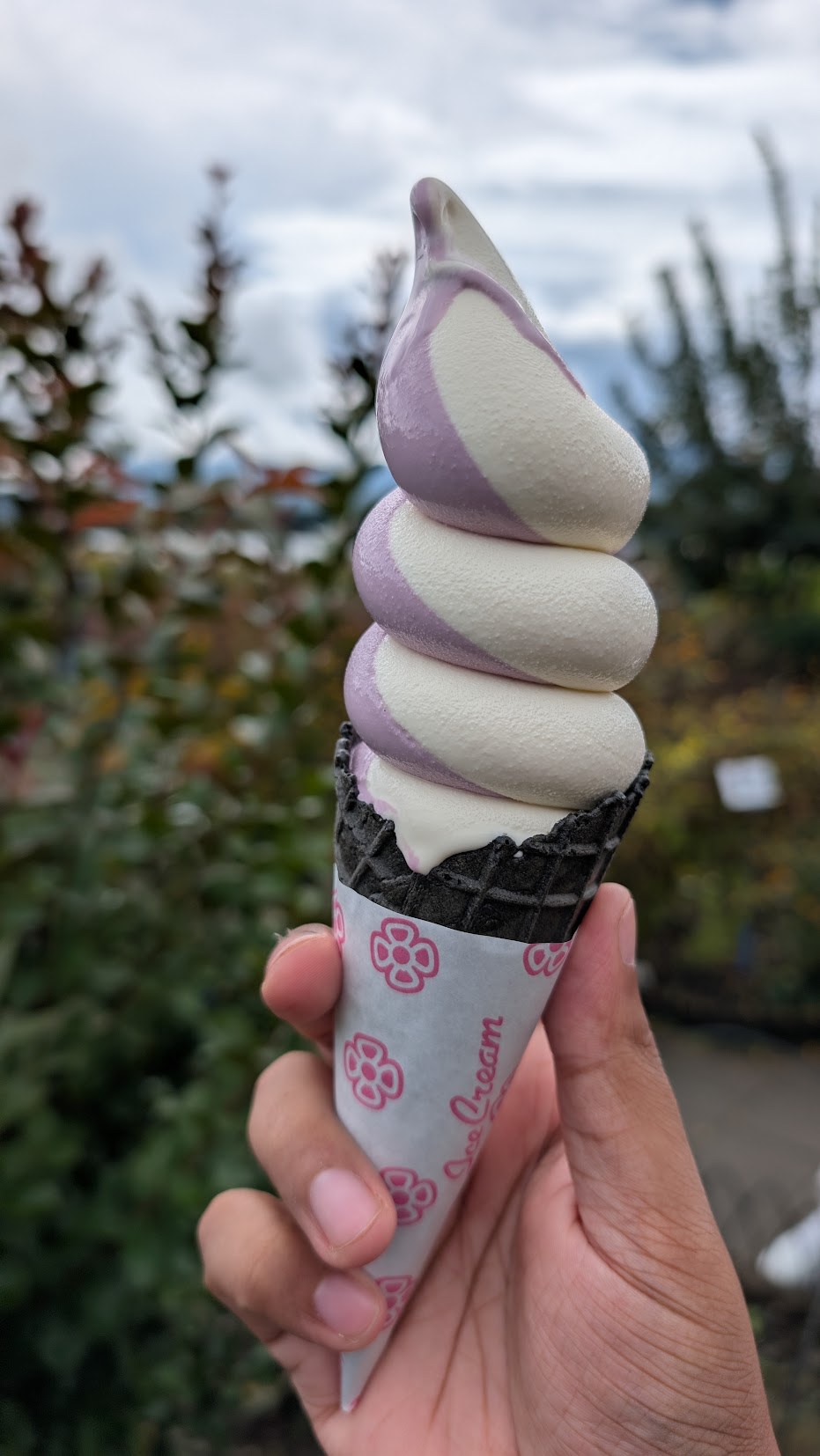
My most memorable taste from Japan was the Hokkaido ice cream. I'm not a big consumer of sugar or milk, but this was probably the purest ice cream I've had. I was told it's down to how well the cattle are kept in Japan's northern regions. You'll find it across Tokyo, and I'd recommend the stall at the top of the Success Stairs.
Chasing Mt Fuji
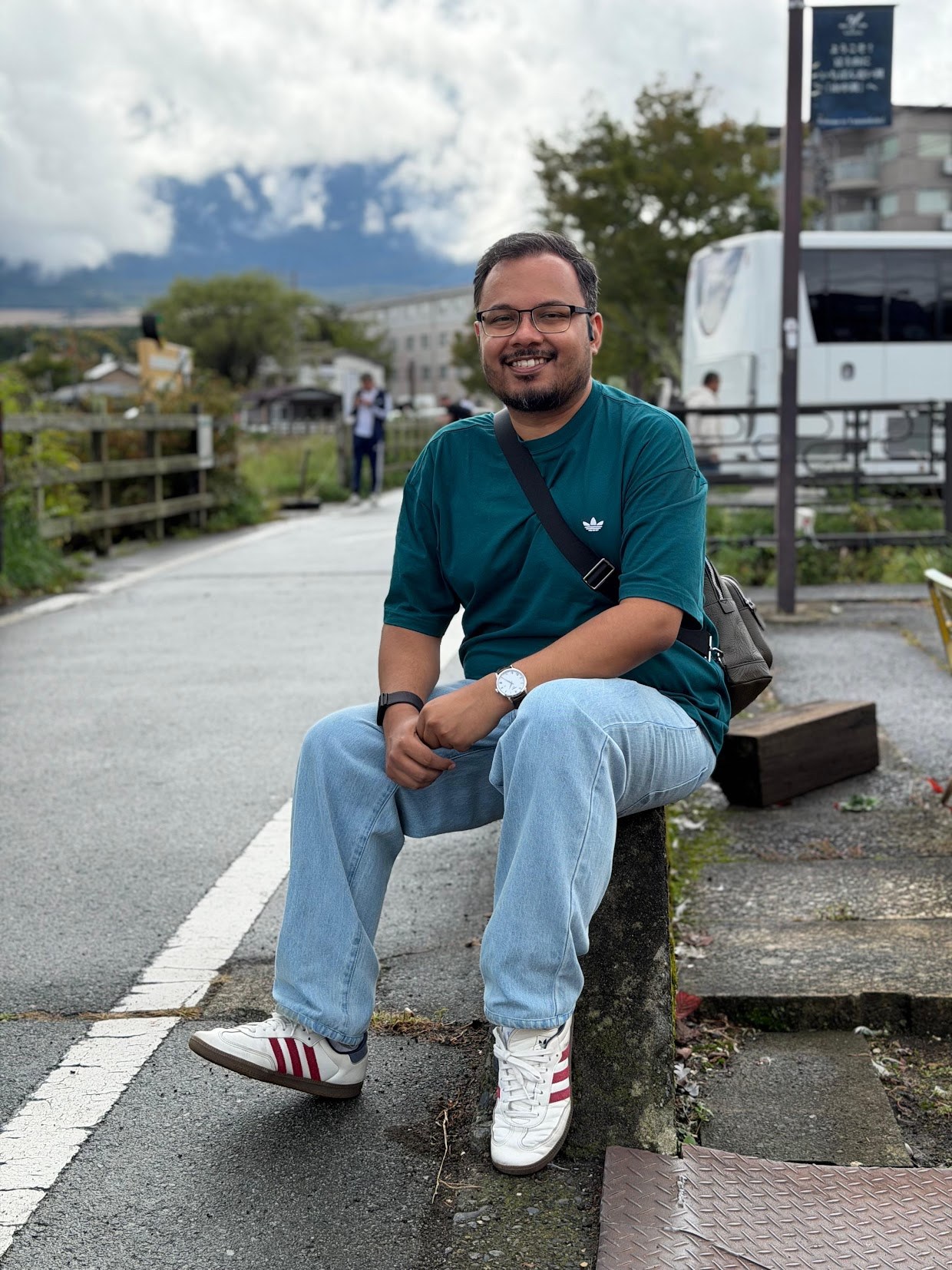
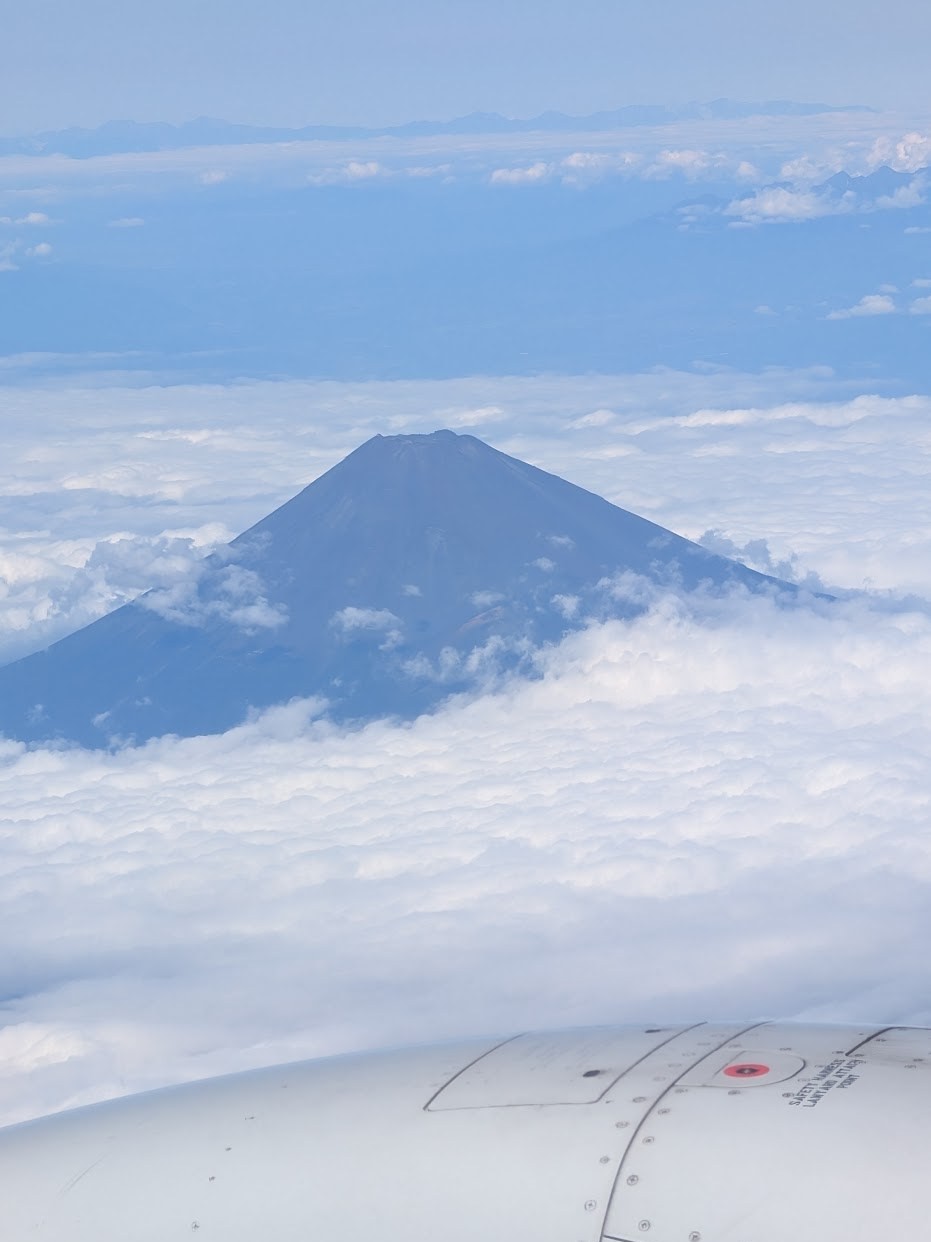
I became a little obsessed with spotting a good view of Mt Fuji. I caught a partial view on our day trip to Hakone, but the best view came from the flight back, which felt like the perfect way to complete the trip.